










Running a successful convenience store requires much more than stocking shelves and serving customers. Modern convenience store owners face increasing pressure from rising operating costs, labour shortages, changing consumer expectations, and intense competition from supermarkets and online retailers.
Without clear operational processes, small mistakes can quickly become costly problems. Stock shortages, pricing errors, poor customer service, food waste, and compliance issues can all reduce profitability and damage customer trust.
A structured convenience store operations checklist helps store owners and managers maintain consistency, improve efficiency, and create a better shopping experience. Whether you operate a single independent store or manage multiple locations, having documented procedures ensures nothing important gets overlooked.
This comprehensive convenience store operations checklist for 2026 covers daily, weekly, and monthly tasks designed specifically for UK convenience retailers.
Why Every Convenience Store Needs an Operations Checklist
Many store owners rely on experience and routine to keep operations running smoothly. While experience is valuable, a formal checklist provides additional benefits that directly impact business performance.
Reduces Operational Errors
Checklists help staff follow the same procedures every day. This reduces mistakes related to cash handling, inventory management, store opening procedures, and security protocols.
Improves Customer Experience
Customers expect a clean store, fully stocked shelves, accurate pricing, and fast service. Consistent operational checks help maintain these standards.
Increases Staff Accountability
When responsibilities are clearly documented, employees understand exactly what tasks they need to complete and when they need to complete them.
Supports Business Growth
As your store grows, standardised procedures make it easier to train new employees and maintain consistent service levels.
Daily Convenience Store Operations Checklist
Daily tasks form the foundation of effective convenience store management.
Opening Procedures
Before opening the doors to customers, staff should complete several critical checks.
Security Inspection
Inspect all entrances and exits
Check for signs of forced entry
Verify alarm systems are functioning correctly
Confirm CCTV cameras are operational
Ensure exterior lighting is working properly
Store Presentation
First impressions matter.
Clean store entrance
Remove litter from outside areas
Ensure shopping baskets are available
Straighten shelves and displays
Check promotional signage
EPOS and Payment Systems
Technology issues can disrupt sales throughout the day.
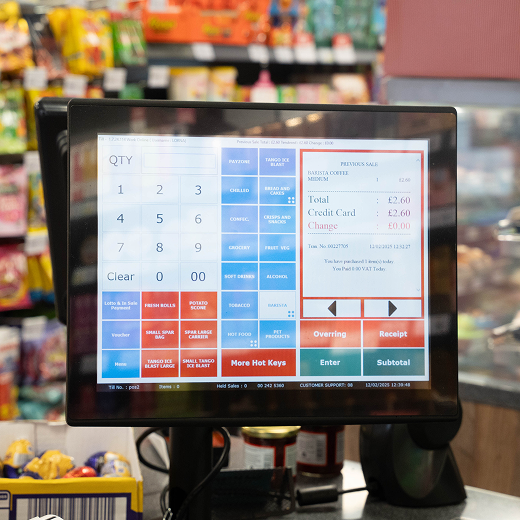
Log into EPOS systems
Verify payment terminals are connected
Test barcode scanners
Check receipt printers
Review overnight system alerts
Staff Briefing
A short daily meeting can improve productivity and communication.
Discuss:
Daily sales targets
Promotions and special offers
Expected deliveries
Staffing arrangements
Customer service priorities
During Trading Hours
Store operations require continuous monitoring throughout the day.
Customer Service Checks
Excellent customer service remains a major competitive advantage for independent retailers.
Monitor:
Queue lengths
Staff availability
Customer complaints
Service response times
Checkout efficiency
Stock Availability Monitoring
Out-of-stock products lead to lost sales and frustrated customers.
Regularly check:
Bread and bakery items
Milk and dairy products
Soft drinks
Snacks
Tobacco products
Seasonal promotions
Store Cleanliness
A clean environment improves customer satisfaction and encourages repeat visits.
Inspect:
Floors
Refrigerated units
Countertops
Entrance areas
Shelving
Customer facilities
Cash Handling Controls
Strong cash management reduces financial risk.
Procedures should include:
Regular till checks
Secure cash transfers
Monitoring suspicious transactions
Safe storage practices
End-of-shift balancing
Closing Procedures
The final tasks of the day help prepare the store for tomorrow.
Cash Reconciliation
Review all transactions and reconcile tills.
Verify:
Cash sales
Card payments
Refunds
Voided transactions
Till discrepancies
Inventory Review
Identify products requiring replenishment.
Review:
Fast-moving items
Low-stock products
Promotional inventory
Fresh food levels
Security Procedures
Before leaving:
Lock all access points
Activate alarm systems
Check CCTV recording status
Secure cash deposits
Turn off unnecessary equipment
Store Clean-Up
Prepare the store for the next trading day.
Tasks include:
Empty bins
Clean counters
Mop floors
Organise displays
Restock key product areas
Weekly Convenience Store Operations Checklist
Weekly reviews provide a broader view of store performance and operational efficiency.
Inventory Management Review
Effective inventory control directly impacts profitability.
Stock Accuracy Audit
Compare physical inventory against system records.
Identify:
Missing stock
Data entry errors
Theft or shrinkage
Supplier discrepancies
Fast-Moving Product Analysis
Review products with the highest sales volumes.
Questions to ask:
Are stock levels sufficient?
Are reorder points accurate?
Can sales opportunities be increased?
Slow-Moving Inventory Review
Slow-moving stock ties up valuable cash flow.
Consider:
Promotional discounts
Product repositioning
Alternative merchandising strategies
Product discontinuation
Staff Performance Review
Employees play a critical role in operational success.
Evaluate:
Attendance records
Customer service quality
Productivity levels
Training needs
Compliance adherence
Equipment Inspection
Unexpected equipment failures can be expensive.
Inspect:
Refrigeration systems
Freezers
EPOS terminals
Payment devices
Security systems
Internet connectivity
Barcode scanners
Monthly Convenience Store Operations Checklist
Monthly reviews focus on long-term performance and strategic improvements.
Financial Performance Analysis
Understanding store performance helps support better decision-making.
Review:
Total revenue
Gross profit margin
Net profit margin
Category performance
Average basket value
Sales trends
Compare results against previous months and business targets.
Supplier Performance Evaluation
Reliable suppliers support efficient operations.
Assess:
Delivery accuracy
Product quality
Availability levels
Pricing competitiveness
Communication effectiveness
Strong supplier relationships often lead to better service and improved commercial opportunities.
Inventory Management Checklist for UK Convenience Stores
Accurate inventory management is essential for controlling costs and reducing waste.
Maintain Accurate Stock Levels
Use EPOS or stock management systems to monitor real-time stock
Count high-value and fast-moving items daily
Implement cycle counting for perishable goods
Set Reorder Points
Define minimum stock levels for each product
Automate low-stock alerts where possible
Adjust reorder points based on seasonal demand
Monitor Product Expiry Dates
Rotate stock using first-in, first-out (FIFO) method
Remove expired or damaged products immediately
Maintain a record of expired stock for accounting
Reduce Food Waste
Track perishable items and adjust orders accordingly
Offer promotions on items nearing expiry
Train staff on proper handling and storage
Use Real-Time Inventory Tracking
EPOS and cloud-based systems help track inventory accurately
Reduce manual errors and missing stock
Generate reports for fast-moving and slow-moving products
Convenience Store Compliance Checklist for 2026
Staying compliant protects your business and customers.
Age-Restricted Product Compliance
Verify ID for tobacco, alcohol, and certain energy drinks
Keep records of refusals when necessary
Follow UK licensing laws
Food Safety Requirements
Store perishable items at correct temperatures
Regularly clean refrigeration units
Follow hygiene standards per Food Standards Agency guidelines
Health and Safety Compliance
Conduct fire safety checks
Train staff on workplace safety
Keep walkways clear to prevent slips and trips
Data Protection Responsibilities
Secure customer payment information
Follow GDPR regulations for customer data
Regularly update passwords and system security
Tip: Always consult official UK guidance to ensure up-to-date compliance.
Technology Checklist for Modern Convenience Stores
Using the right technology improves efficiency, reduces human error, and enhances customer experience.
EPOS System Optimisation
Ensure tills and scanners are fully operational
Update software regularly
Monitor sales and stock data
Automated Inventory Management
Track stock levels automatically
Receive alerts when products are low
Generate inventory performance reports
Digital Payment Solutions
Support contactless payments and card processing
Monitor payment terminal uptime
Reduce queue times during busy hours
Customer Loyalty Programmes
Offer loyalty cards or digital points systems
Track repeat customer behavior
Use data to personalise promotions
Business Reporting and Analytics
Use EPOS data to identify top-selling products
Track revenue and margins
Generate reports to support business decisions
Common Operational Mistakes Convenience Store Owners Should Avoid
Avoiding common pitfalls can save money and improve store performance.
Ignoring Inventory Data – Failing to track stock leads to overstock or shortages.
Delaying Equipment Maintenance – Broken fridges or tills can halt sales.
Inconsistent Staff Training – Poorly trained staff reduce efficiency.
Weak Cash Handling Controls – Increases the risk of theft and loss.
Neglecting Customer Feedback – Missing opportunities to improve satisfaction.
Failing to Review Business Performance – Without monitoring KPIs, mistakes go unnoticed.
Convenience Store Operations Checklist Template
A simple table to summarise tasks:
| Task Category | Daily | Weekly | Monthly |
|---|---|---|---|
| Security Checks | ✓ | ✓ | ✓ |
| Stock Management | ✓ | ✓ | ✓ |
| Cash Reconciliation | ✓ | ||
| Staff Reviews | ✓ | ✓ | |
| Financial Reporting | ✓ | ||
| Equipment Inspection | ✓ | ✓ | |
| Compliance Review | ✓ |
Frequently Asked Questions
What is a convenience store operations checklist?
A detailed list of daily, weekly, and monthly tasks designed to maintain store efficiency, profitability, and compliance.
How often should inventory be checked in a convenience store?
Daily for fast-moving items and weekly for slower stock. Monthly audits are recommended for full inventory review.
What are the most important daily store management tasks?
Store opening and closing, cash reconciliation, customer service, and stock monitoring.
How can technology improve convenience store operations?
EPOS, automated inventory systems, digital payments, and loyalty programs save time, reduce errors, and enhance profitability.
Why is stock management critical for convenience stores?
Proper stock management ensures product availability, reduces waste, and increases sales.
What compliance requirements should UK convenience store owners monitor?
Age-restricted sales, food safety, health and safety regulations, and GDPR for customer data.